
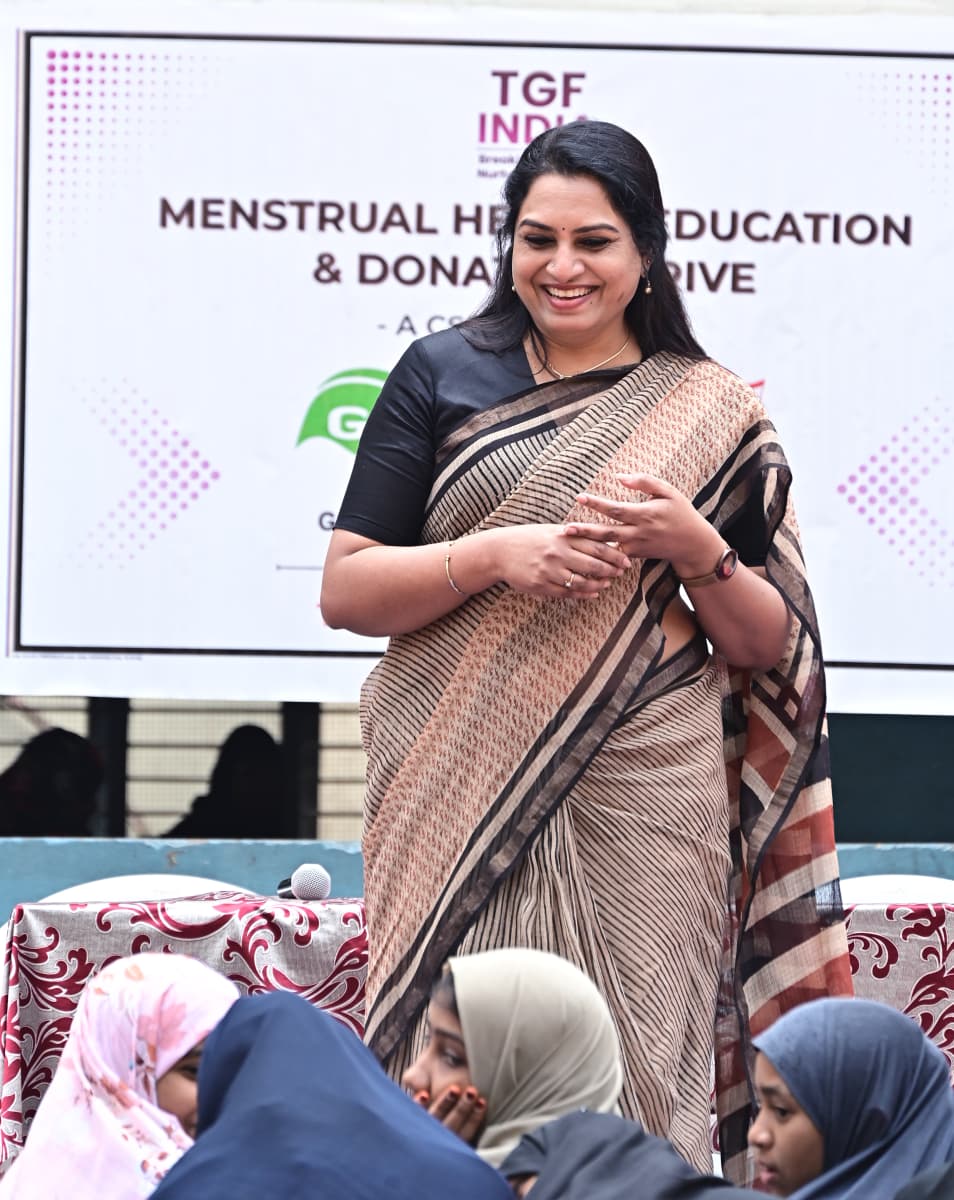
In corporate discussions about women’s health and workplace equity, we talk about policies: period leave, wellness rooms, sanitary product availability. These are necessary. But they are reactive. They address the symptom of a far deeper, systemic gap: the complete failure of foundational menstrual infrastructure.
I am not speaking of physical infrastructure. I am speaking of the cognitive and social infrastructure that should underpin a functional, equitable society. This infrastructure is built through education, and its absence is why workplace policies often feel like awkward accommodations rather than seamless integrations.
My role, as I see it, is not to teach women about their own bodies. It is to build this missing infrastructure in the spaces I can influence: the workplace and the community programs it touches.
This means designing sessions that are mandatory for all employees, regardless of gender. We move beyond biological diagrams to the practical sociology of menstruation:
- The Language Module: Replacing hushed euphemisms (“down,” “curse,” “PMS-ing”) with direct, neutral terminology. Language shapes reality; shame lives in whispers.
- The Logistical Impact Audit: How does pain, access to products, or social stigma functionally impact a person’s workday, commute, or ability to participate in a meeting or field visit? We map the real-world friction.
- The Policy Co-Creation Workshop: Instead of HR rolling out a period leave policy, we facilitate a mixed-gender team to design it. When men are involved in designing the solution, they become stakeholders in its success, not confused bystanders.
The goal is to normalize menstruation as a neutral factor of human biology with logistical implications, similar to vision requiring glasses or diabetes requiring regular meals. We don’t whisper about “eyeball trouble”; we simply adjust the font size on the presentation.
When this cognitive infrastructure is built, the reactive policies stop being special “women’s issues.” They become part of the basic operational design of an efficient, inclusive organization. That is the shift I work to engineer.
No responses yet