
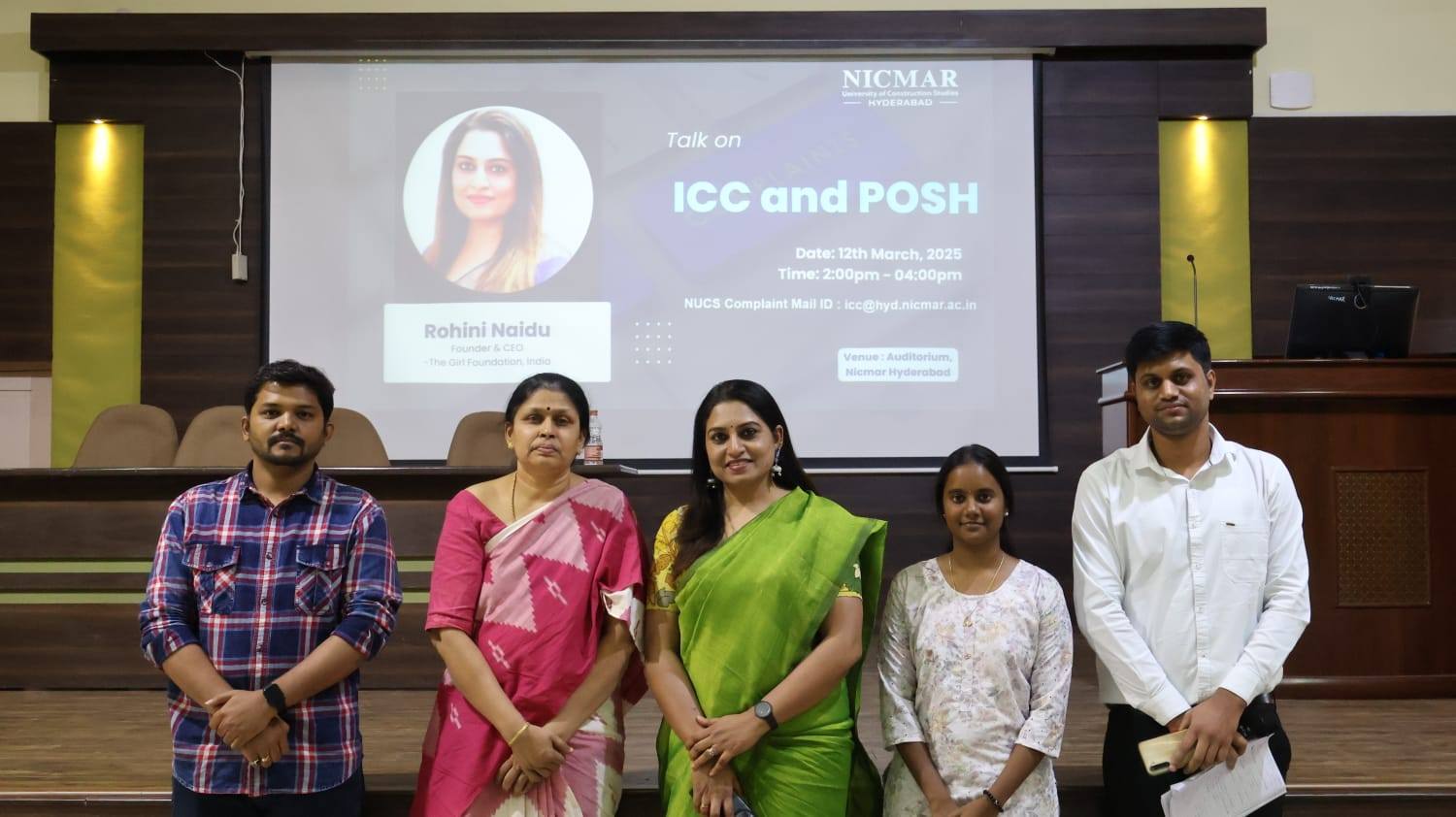
We design POSH training as if the process exists on an island, managed solely by HR and the Internal Committee. This is a strategic failure. The most powerful determinant of whether a complaint is reported, handled well, or buried in silence is the immediate team environment. Treating teams as passive bystanders surrenders your greatest lever for cultural integrity.
In reality, the team are the first sensors and the first influencers. Before any formal complaint, there is a team member noticing a change in behavior, overhearing an inappropriate comment, or being the confidant. Their reaction in those micro-moments—their silence, their dismissal, their gossip, or their support—sets the trajectory.
My POSH workshops for teams therefore move beyond “awareness of the policy.” We drill into operational protocols for the 95% of scenarios that never reach the IC. We establish clear, practiced team norms:
- The Redirection Protocol: A simple, low-confrontation script for any member to use when a colleague makes a biased or suggestive “joke” in a team meeting. (e.g., “Let’s keep our language professional for the minutes.”)
- The Confidentiality Charter: A team agreement on what constitutes responsible sharing versus harmful gossip when a colleague is absent or distressed.
- The Support Pathway: A clear, pre-defined understanding that a team lead’s primary duty upon hearing a concern is not to solve it, but to facilitate safe passage to the formal process, offering to accompany the individual if needed.
This transforms the team from a risk factor into a protective layer. It distributes the burden of upholding respect from a few IC members to the entire social fabric of the workplace. A team that knows its role is not to judge or investigate, but to observe, support, and refer correctly, is the single most effective early warning and stabilization system you can build. Your POSH policy is a document. Your trained team is the mechanism that makes it live or lets it die.measured by how few complaints reach the IC. It’s measured by how confidently and correctly the first conversation is handled when something goes wrong. Train your teams for that moment.
No responses yet