
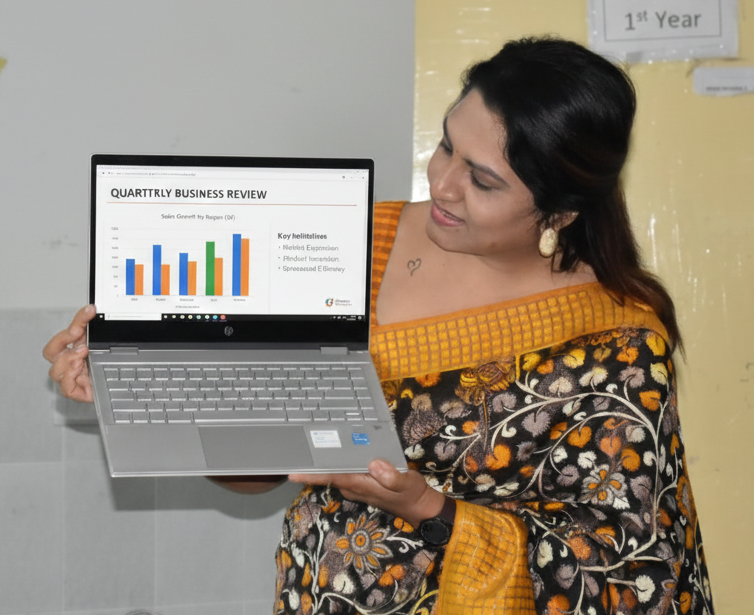
As you prepare your first key presentation of the year, I invite you to try a radical approach: ban yourself from opening PowerPoint for the first 30 minutes of your prep. The pressure to fill slides often leads us to bury our core message in a avalanche of data and bullet points. For 2026, let’s commit to leading with connection, not just content.
Your most powerful tool is narrative. Data persuades the logical mind, but a well-crafted story captures hearts, builds context, and lodges your message in memory. Whether it’s a project kick-off, a quarterly business review, or a sales pitch, force yourself to find the story first. What is the central challenge or opportunity (The Hook)? What was the journey of discovery or effort (The Journey)? What is the pivotal insight, lesson, or result (The Resolution)?
This simple three-act structure provides an instant, robust scaffold for your entire talk. In my executive communication workshops, we practice stripping presentations down to this narrative backbone, often using just a whiteboard. When you lead with a compelling story, your audience is immediately on the journey with you. Your subsequent data, case studies, and slides then transform from being the main event into powerful supporting evidence that reinforces your narrative.
This method also combats anxiety. When you know your story deeply, you are less reliant on your slides as a crutch. You speak with more conviction and authenticity. So, before you choose a template, write your story. Make it human, make it relevant, and watch as your presentations in 2026 move from being endured to being eagerly anticipated.
No responses yet